Become a resource engineer.
We are looking for curious MSc, PhD, and postdoctoral researchers who want to redefine waste — from a disposal problem to a source of energy, materials, nutrients, and clean water.
What you’ll experience
Real problems, real waste
Work with sewage sludge, manure, agricultural residues, food waste, and plastics — the heterogeneous materials that industry actually has to deal with.
From reactor to field
Take ideas from bench-scale reactors to pilot systems, greenhouses, and techno-economic models, together with national and international partners.
Truly interdisciplinary
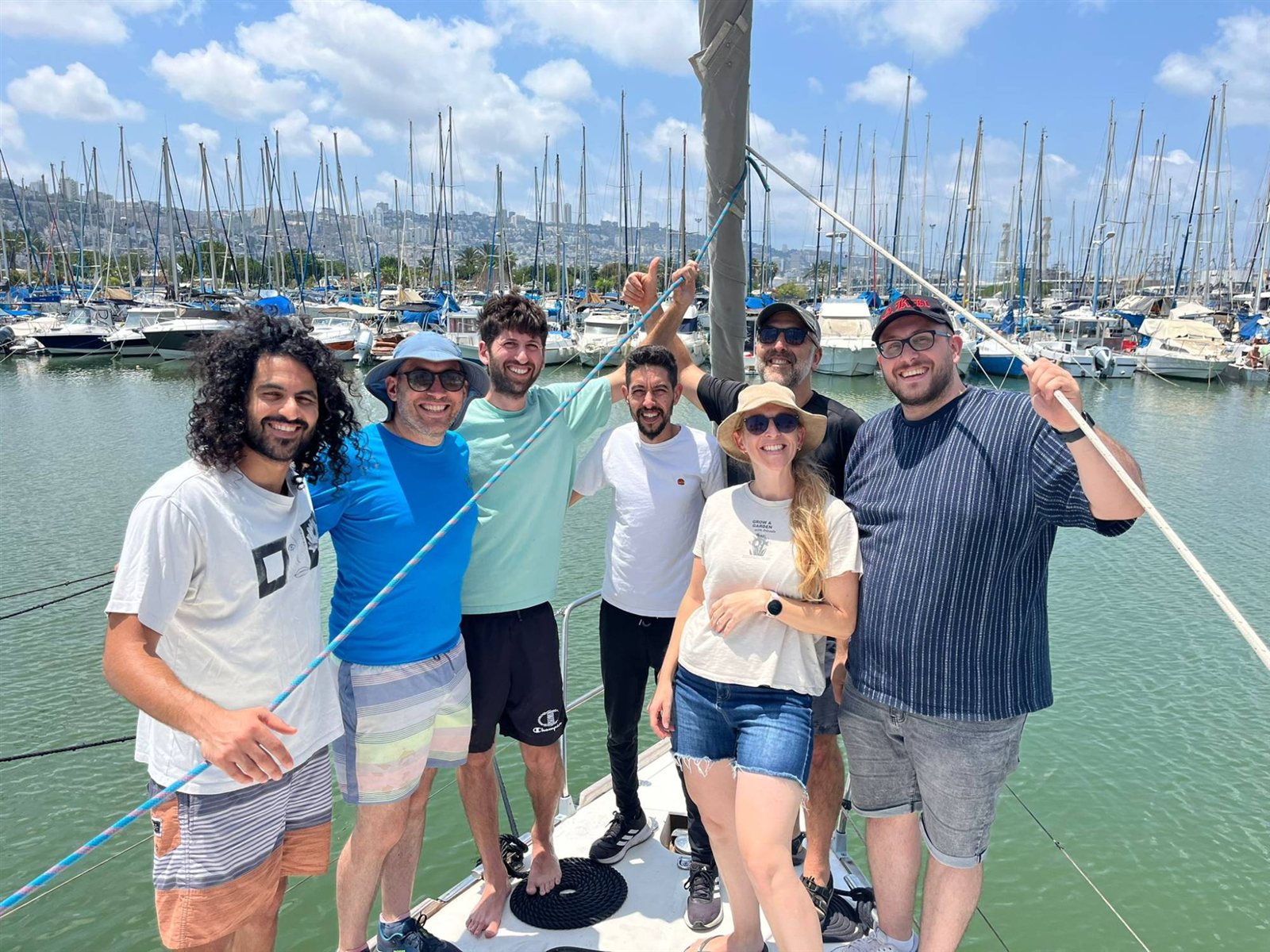
Our team brings together engineers, chemists, and soil and environmental scientists — and so will your project.
Many disciplines, one goal
Our research bridges chemical engineering, environmental biotechnology, materials science, microbial ecology, and environmental chemistry. You don’t need all of them — you’ll learn from teammates who bring the rest.
Pick your question
Every project in the lab contributes to one of our four scientific questions.
How can thermochemical processing unlock the resource potential of complex waste streams?
Turning hydrothermal processing from a waste treatment technology into a predictive platform for recovering energy, carbon, and nutrients.
Explore question I →How can waste-derived carbon be engineered into functional materials?
Treating hydrochar and biochar as engineered carbon materials whose structure and function can be designed.
Explore question II →How can interactions among heterogeneous waste components create new opportunities for circular manufacturing?
Exploiting — rather than eliminating — the complexity of mixed waste to create new manufacturing pathways.
Explore question III →How can engineered resource recovery systems be integrated with natural ecosystems?
Making sure recovered resources return safely to soils, plants, microbes, and water.
Explore question IV →Start a conversation
Send an email to Dr. Roy Posmanik with your CV, a short description of your research interests, and which of our four scientific questions excites you most.