Question I · Hydrothermal resource recovery
How can thermochemical processing unlock the resource potential of complex waste streams?
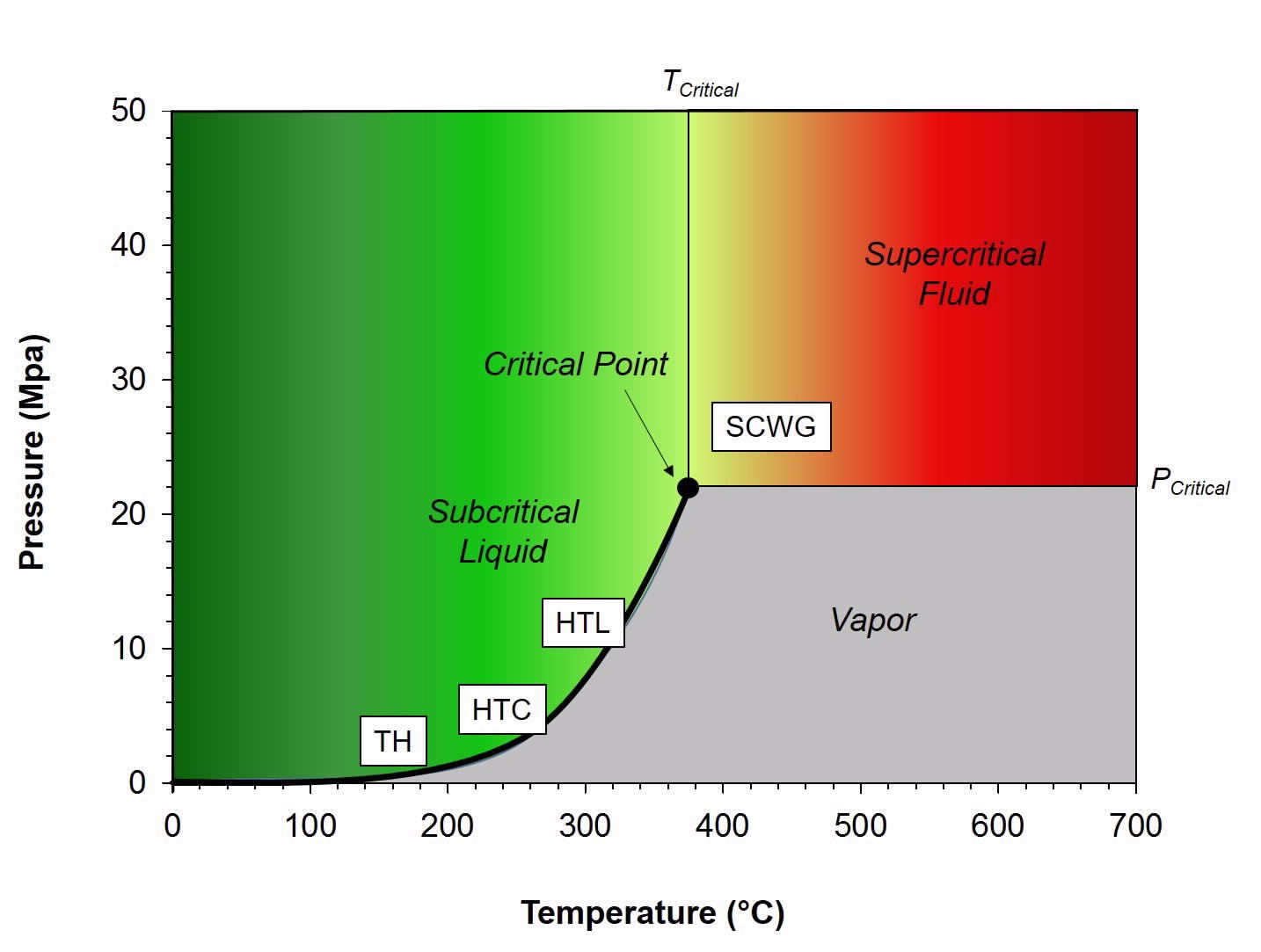
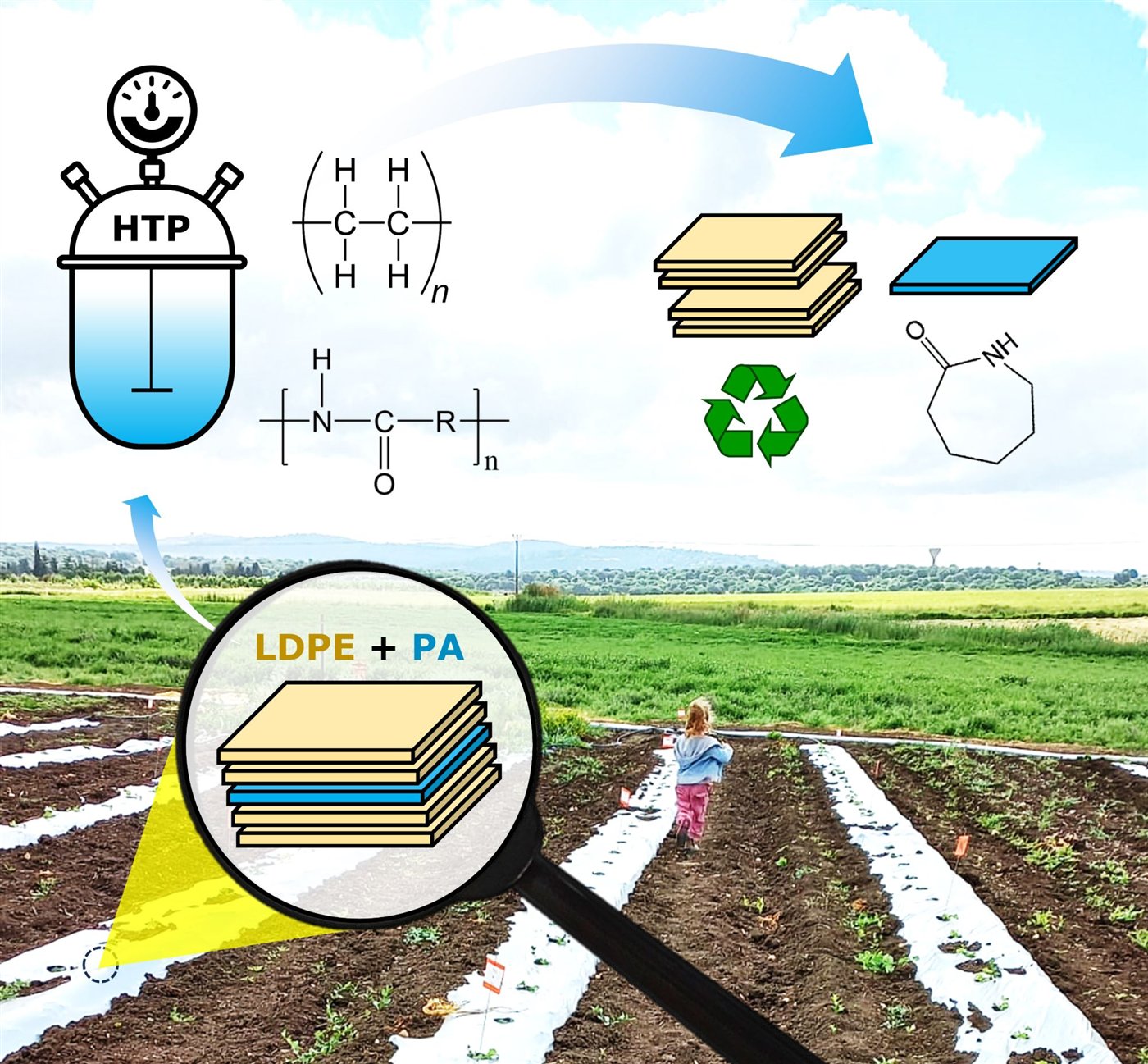
Hydrothermal processing has traditionally been studied as a route for converting wet biomass into biofuels. Yet real-world wastes — sewage sludge, livestock manure, food waste — behave very differently from model feedstocks. Their chemical complexity governs reaction pathways, product distribution, and ultimately the efficiency of resource recovery.
What we’ve shown
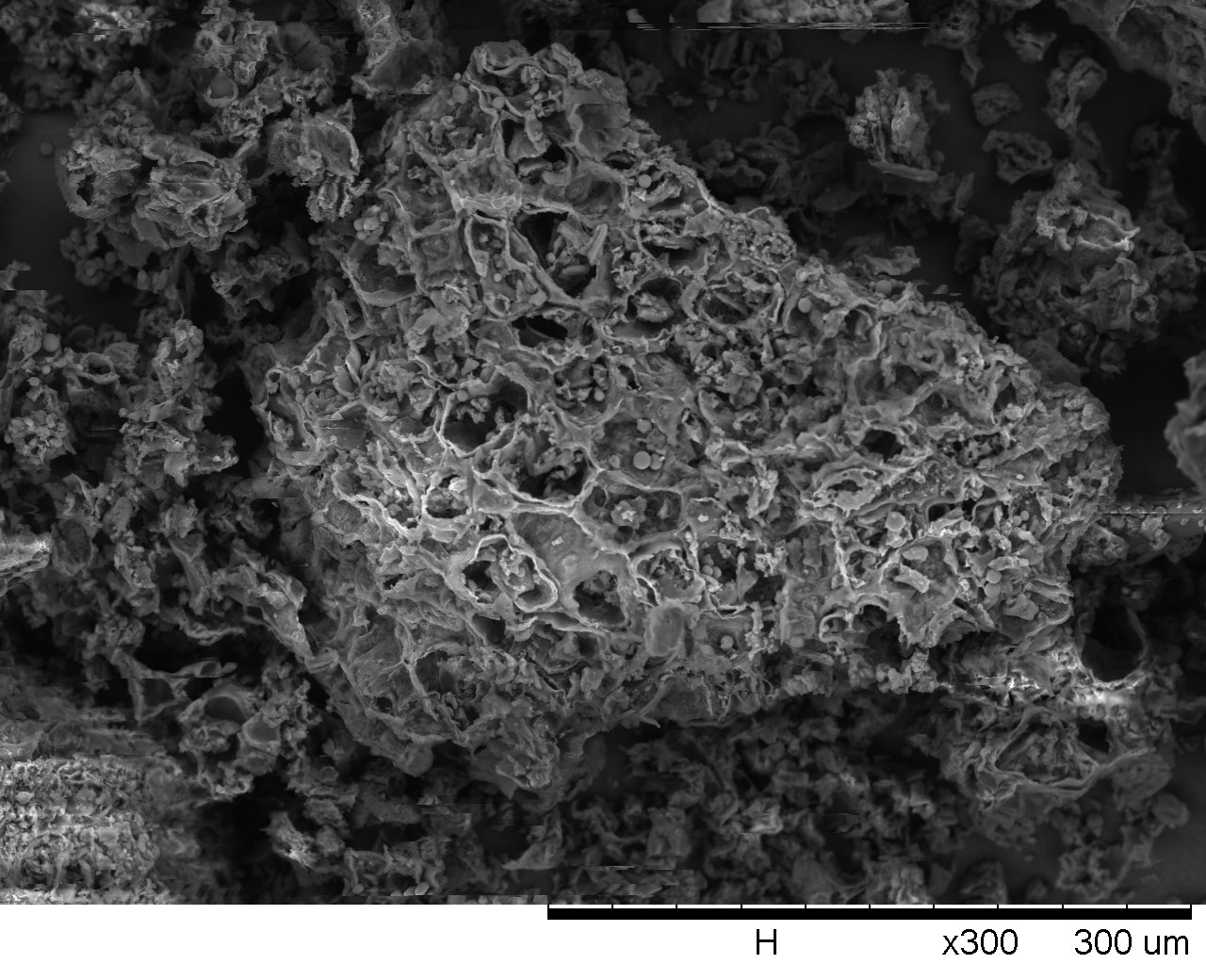
- How waste composition and reaction conditions govern the formation of bio-oil, hydrochar, and aqueous products.
- That hydrothermal processing and anaerobic digestion are complementary — together they recover more energy than either alone.
- That a single waste stream can yield multiple resources: up to 90% of the phosphorus in sewage sludge is retained in the hydrochar.
What we’re doing now
Predictive circular resource recovery — combining mechanistic experiments with techno-economic analysis and life-cycle assessment to find the operating conditions that maximize environmental, economic, and agronomic performance.